
Posted by - Tom W -
on - Oct 15 -
Filed in - Business -
116 Views - 0 Comments - 0 Likes - 0 Reviews
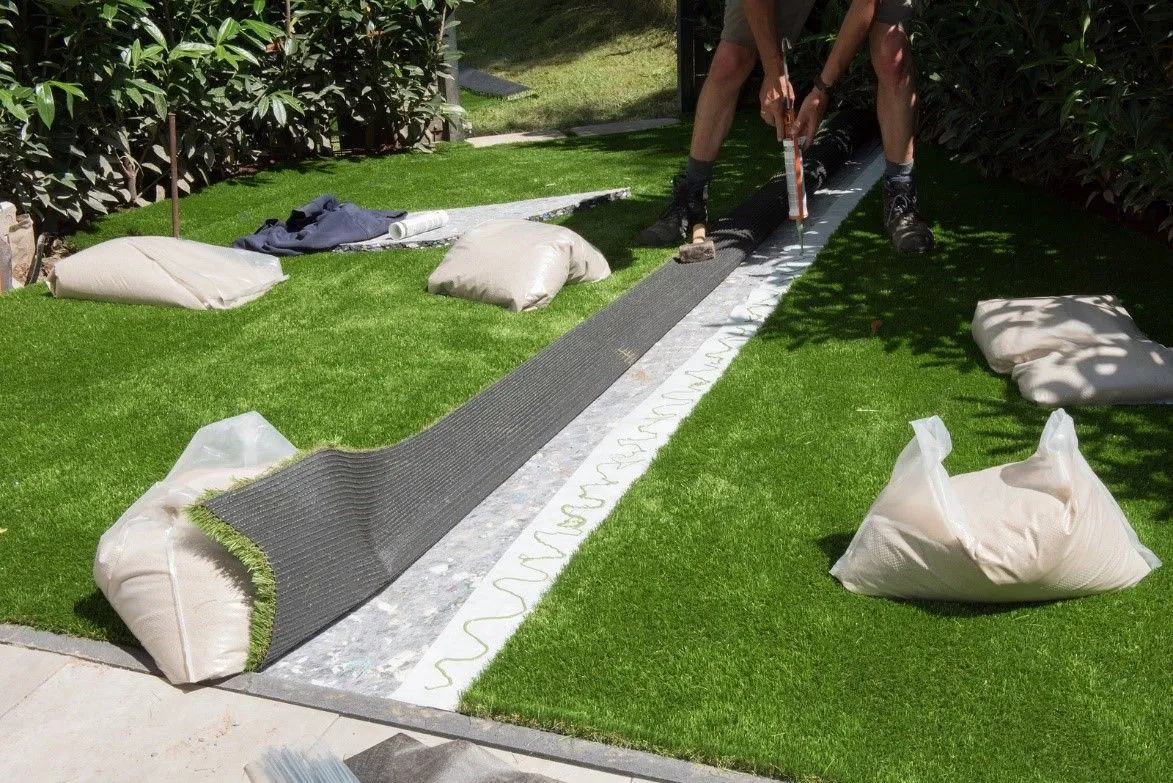
A green lawn can make any outdoor space look clean and welcoming. It provides a place for children to play, pets to move around, and family members to spend time outside. However, keeping natural grass healthy takes regular work. Watering, mowing, fertilizing, and dealing with bare patches can become difficult, especially during hot or dry weather. Artificial turf offers another way to maintain a green lawn without many of these regular tasks.
Artificial turf is made from synthetic fibers designed to look and feel similar to natural grass. It is used in residential yards, patios, play areas, and other outdoor spaces. Modern turf products come in different shades, textures, and pile heights, allowing homeowners to choose an option that fits their needs. With proper planning and installation, artificial grass can provide a neat outdoor surface throughout the year.
Before choosing a product, homeowners should consider the size of the lawn, how the area will be used, and the condition of the existing ground. For those researching Artificial Turf in Vista CA, understanding the installation process and the main benefits can help make the decision easier. A well-planned turf project should consider drainage, ground preparation, safety, and the type of artificial grass that will work best for the property.
One of the main reasons people choose artificial turf is its low maintenance needs. Natural grass usually requires regular mowing, watering, and seasonal care to stay in good condition. Artificial grass does not need mowing, and it does not require the same watering schedule as a natural lawn. Homeowners may still need to rinse the surface, remove leaves, brush the fibers, and clean up after pets.
Another benefit is its consistent appearance. Natural grass can develop brown spots, thin areas, and uneven growth because of heavy foot traffic, poor soil, or a lack of sunlight. Artificial turf can help create a more even surface in places where growing natural grass is difficult. This can be useful in small backyards, shaded areas, and spaces where people walk frequently.
However, artificial turf is not completely maintenance-free. Dust, leaves, pet waste, and other debris can collect on its surface. Regular cleaning helps keep the area fresh and prevents dirt from building up between the fibers. The amount of care needed depends on how often the lawn is used and the conditions around it.
Homeowners comparing outdoor improvement options may consider Picturesque Company when planning an artificial turf project. A useful service provider should assess the space, explain suitable turf options, and consider drainage and ground preparation before installation. This type of planning helps homeowners understand what their project requires and what to expect from the finished lawn.
Installing artificial grass involves more than rolling out a green surface. The ground beneath the turf plays a major role in its appearance, drainage, and long-term performance. Proper preparation helps reduce uneven areas and makes the finished lawn more stable.
The first step is to examine the installation area. A contractor should check the soil, existing grass, slopes, drainage patterns, and any obstacles that could affect the project. The intended use of the lawn should also be considered. A space for pets may need different drainage and cleaning features than a decorative area beside a patio.
Existing grass, weeds, roots, and unsuitable materials are removed before the base is prepared. The ground is then shaped and compacted to create a stable foundation. Depending on the property and local conditions, a suitable base material may be added to support the turf and help water drain away.
Skipping this stage can lead to dips, bumps, and drainage problems later. Good ground preparation is one of the most important parts of a successful installation.
A prepared base helps the turf remain level and firm. The materials used depend on the soil, expected foot traffic, and drainage requirements. Proper grading is also important because rainwater should move away from buildings instead of collecting in low areas.
Artificial turf products differ in how quickly they allow water to pass through them. Homeowners should ask about the turf's drainage design and whether the planned base is suitable for local weather conditions.
Once the base is ready, the turf is rolled out and positioned across the area. The installer cuts it to fit the lawn's shape and works to keep the seams neat and less visible. The edges are secured using suitable fixing methods.
If the project requires multiple turf sections, the direction of the fibers should be considered. Keeping the fibers facing a consistent direction usually helps the lawn look more natural. After the turf is secured, the installer may brush the fibers and add an appropriate infill if the product requires it.
Not all artificial turf products are the same. Some are designed for decorative lawns, while others are made to handle frequent use. Choosing the right product means balancing appearance, comfort, durability, and cost.
Pile height is one factor to consider. Shorter fibers can create a tidy appearance and may be easier to maintain, while taller fibers can provide a fuller look. Fiber density, softness, backing quality, and resistance to wear also affect how the turf performs.
Color matters as well. Some products have a single shade of green, while others combine several green tones and brown thatch fibers to create a more natural appearance. Looking at physical samples in outdoor light can help homeowners judge which option suits their property.
Climate is another important consideration. Artificial turf can become hot in direct sunlight, particularly during warm weather. If children or pets will use the lawn, ask about surface temperatures, suitable products, and ways to reduce heat exposure. Shade, careful product selection, and avoiding use during the hottest periods may help.
Artificial grass can be useful for households with pets because it does not develop muddy patches in the same way as natural grass. However, pet owners should choose a product and installation system that support regular cleaning and suitable drainage.
Pet waste should be removed promptly, and the affected area should be rinsed and cleaned with a product suitable for the turf. Good drainage helps prevent water and waste from collecting beneath the surface. Homeowners should also ask installers about odor-control options and the cleaning routine recommended for the specific product.
For family activity areas, the intended use should guide the choice of turf. A decorative lawn may not provide the same cushioning as a purpose-designed play surface. If children will use the area frequently, ask about impact protection and whether additional safety materials are needed.
Although artificial grass requires less care than natural grass, a basic cleaning routine helps it remain in good condition.
Remove debris regularly: Clear away leaves, twigs, and other loose materials with a suitable brush or leaf blower.
Rinse when needed: Washing the surface can remove dust and light dirt, particularly during dry weather.
Brush flattened fibers: Areas with frequent foot traffic may need occasional brushing to help the fibers stand upright.
Clean spills quickly: Follow the manufacturer's guidance for removing food, drinks, and other stains.
Check seams and edges: Look for loose sections, damaged fibers, or areas where the turf has shifted.
The exact maintenance routine depends on the product, the weather, and how the lawn is used. Following the manufacturer's instructions can help prevent damage from unsuitable cleaning tools or chemicals.
Before starting a project, request a clear estimate that explains the work included. The price may depend on the lawn's size, the condition of the ground, the turf product, drainage requirements, and the amount of preparation needed.
Ask whether the estimate includes removing the existing lawn, preparing and compacting the base, installing the turf, securing the edges, and cleaning the work area. It is also useful to ask about product warranties, expected maintenance, and how the installer handles drainage challenges.
Homeowners should review previous projects, confirm which materials will be used, and make sure the proposed installation suits the property's needs. A low initial price may not provide the best value if important preparation work is left out.
When comparing [Artificial Turf in Vista CA] options, consider the full installation process rather than focusing only on the appearance or price of the grass. A suitable product and properly prepared base can make a meaningful difference in the lawn's performance over time.
Artificial turf can be a practical choice for homeowners who want a green outdoor space with fewer routine lawn-care tasks. It can provide a consistent appearance, reduce the need for regular mowing, and work well in areas where natural grass struggles to grow. Still, it has limitations, including heat buildup, the need for cleaning, and the environmental considerations associated with synthetic materials.
Before making a decision, compare the initial installation cost with the ongoing costs of maintaining natural grass. Consider water use, the amount of sunlight the yard receives, the needs of children and pets, and how the space will be used throughout the year.
A successful artificial turf project begins with careful planning, a suitable product, and proper ground preparation. By understanding these factors and asking the right questions before installation, homeowners can make a more informed choice and create an outdoor area that suits their property and daily needs.

At our community we believe in the power of connections. Our platform is more than just a social networking site; it's a vibrant community where individuals from diverse backgrounds come together to share, connect, and thrive.
We are dedicated to fostering creativity, building strong communities, and raising awareness on a global scale.


